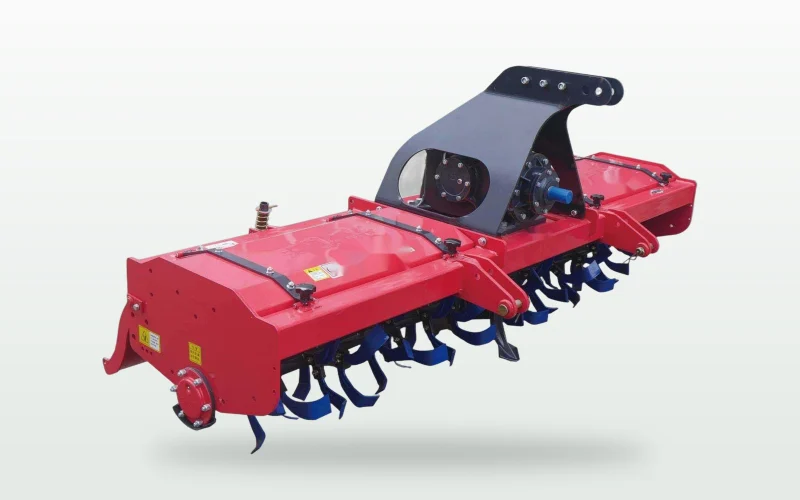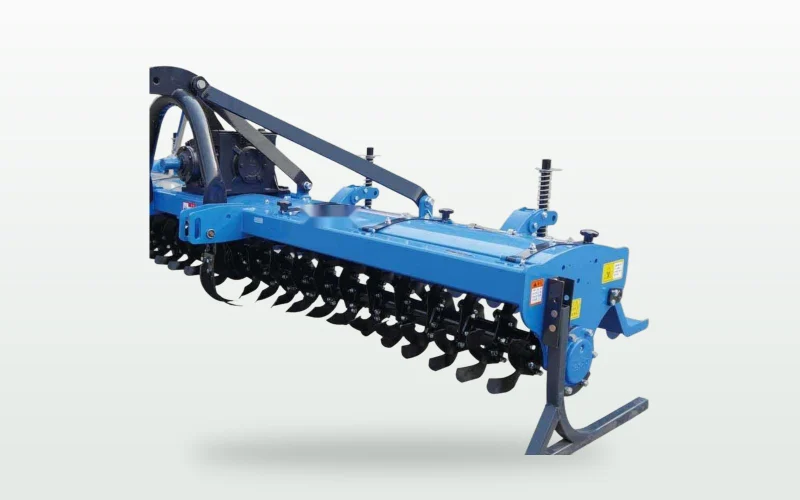
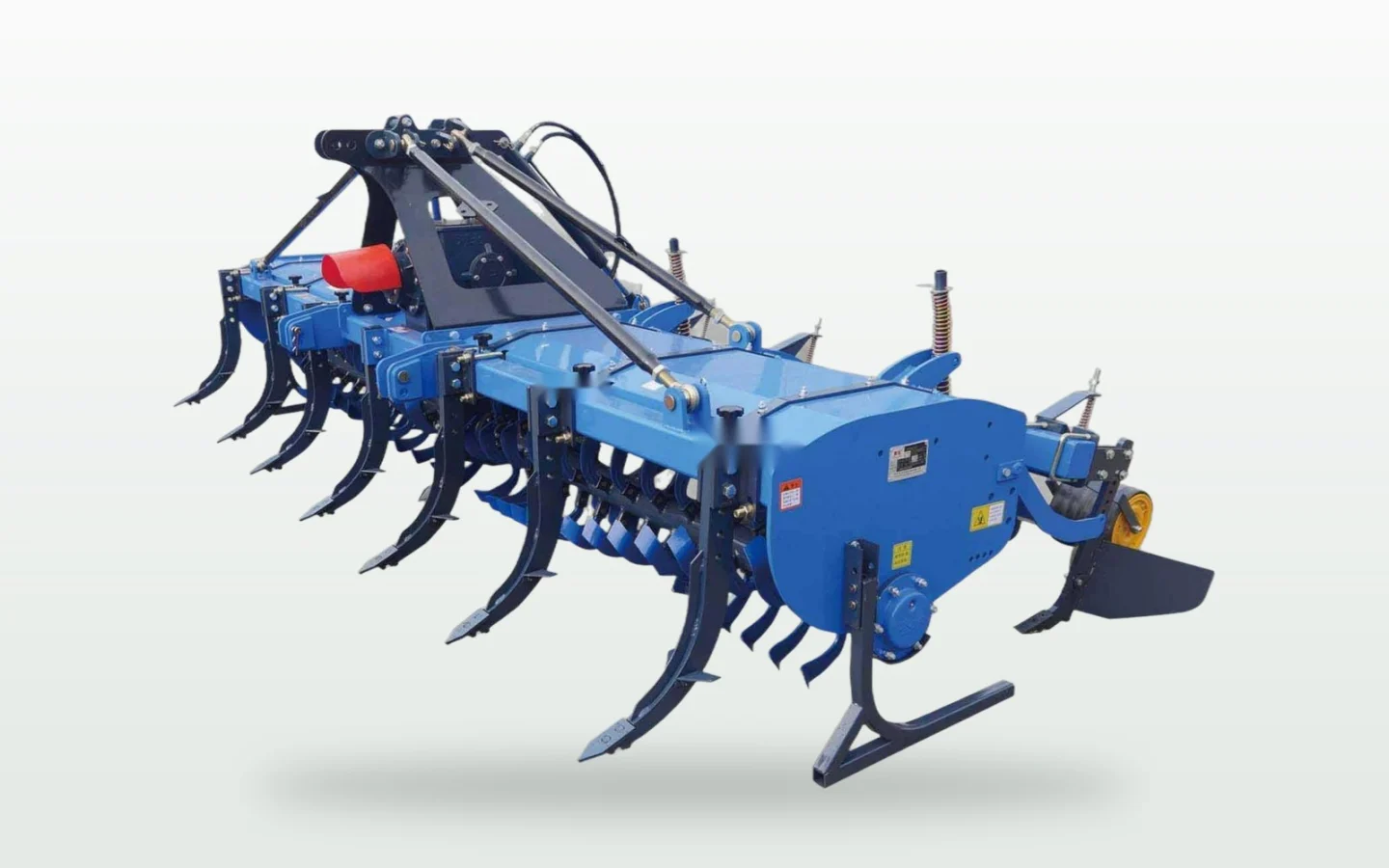
Years of tillage at the same depth create a compacted layer — the plough pan — below the working depth. Roots and water struggle to pass through it. A subsoiler (or deep ripper) fractures this layer without turning the soil over.
Three ways to subsoil
| Type | Depth | Width | Tractor power | Result |
|---|---|---|---|---|
| Fixed-shank subsoiler (FL-SS) | 25–35 cm | 2.8–3.3 m | 100–180 hp | Deep loosening, no powered parts |
| Subsoiler with roller or disc gang (FL-SS-R / D) | 35–40 cm | 2.6–4.2 m | 120–190 hp | Firm, level surface in one pass |
| Subsoiler-tiller combination (FL-SZ) | Subsoil + till | 2.0–2.6 m | 110–150 hp | Subsoiled and seedbed-ready |
| Subsoil-till-ridge-pack (FL-SZ-300/400/450) | 25–35 cm | 3.0–4.5 m | 150–260 hp | Four operations in one pass |
When a fixed-shank subsoiler is enough
If you only need to break compaction before your normal tillage, a fixed-shank subsoiler is the simplest and most economical tool. With no powered parts, it is also the easiest to maintain.
When to add a roller or disc gang
A packer roller (FL-SS-R) or notched disc gang (FL-SS-D) behind the shanks leaves a firmed, levelled surface in the same pass. Their wide shank spacing also suits strip-till and salt-affected soils.
When a combination pays off
Where tractor power allows, a combined machine saves one or more field passes — fewer trips, less fuel and less compaction from the tractor itself.
Compare all models in subsoilers and combination implements.